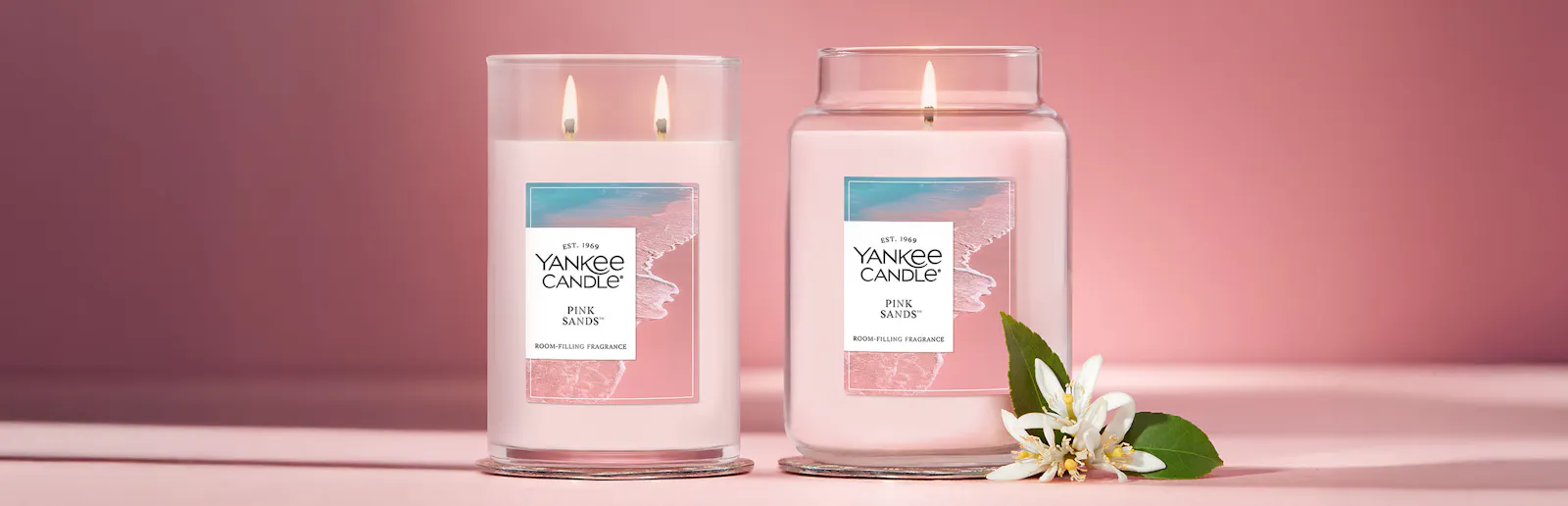
Light a candle and a few things usually happen right away. The room starts to smell different. The flame settles into a steady glow. After a while, the top layer of wax turns completely liquid.
Most people notice those changes without thinking much about what’s causing them. But every candle burn depends on a balance between heat, wax, flame, airflow, and fragrance.
Understanding how candles work helps explain why some candles smell stronger over time, why flames flicker, and why wax sometimes melts unevenly around the edges.
What Happens When a Candle Is Lit
The first few minutes after lighting a candle are usually when the biggest changes happen.
At first, the flame stays fairly small while heat begins warming the wax closest to the wick. As that wax softens and turns liquid, the flame becomes steadier and the fragrance starts spreading farther from the candle.
A candle often burns differently after 10 or 15 minutes than it does right after lighting. Early in the burn, the candle is still building heat through the top layer of wax. Once the candle has warmed further, the flame usually steadies and the scent becomes easier to notice across the room.
How Wax Melts When a Candle Burns
As a candle burns, the top layer of wax slowly turns liquid around the flame. This liquid layer is often called the melt pool.
During longer burns, the melted wax gradually spreads outward from the center of the candle. In larger candles, it may take more time for the liquid wax to reach the edges.
A few things can affect how quickly this happens:
- Candle size
- Wax formulation
- Number of wicks
- Room temperature
- Air movement nearby
For example, a large 3-Wick Candle produces heat across a wider area than a smaller single-wick candle. This helps the wax melt more evenly across the top.
Where Does Candle Wax Go While Burning?
As a candle burns, the wax level slowly drops even though liquid wax is still visible near the flame. That happens because the heat from the flame continuously melts and uses up small amounts of wax while the candle burns.
You can usually see the process happening in stages:
- Solid wax softens near the flame
- The top layer turns liquid
- Heat near the wick uses portions of the melted wax to keep the flame going
This is why the candle gradually becomes smaller over time.
Most of the wax is gradually used up while the candle burns. Depending on airflow and room conditions, small amounts of smoke or soot may occasionally appear during burning.
Why Candle Flames Change While Burning
A candle flame is rarely still. It may lean, flicker slightly, or change shape as air moves nearby.
In most situations, a healthy flame will:
- Stay fairly upright
- Give off a steady glow
- Move slightly without heavy flickering
- Change size a little as the candle warms
You can usually notice this more after the candle has been lit for a while. As the candle stays lit longer, the flame often becomes steadier, and the candle often gives off a stronger glow as well.
Different candle styles can also create different flame appearances. A multi-wick candle usually produces a wider glow, while a smaller single-wick candle creates a more concentrated flame.
What Causes Flickering?
Small changes in flame movement are a normal part of burning a candle.
You may notice stronger flickering when:
- A nearby vent turns on
- Someone walks past the candle
- A ceiling fan is running
- A window is open nearby
- Air circulation changes in the room
In most cases, the flame settles again once the surrounding air becomes more stable.
How Candles Release Fragrance
A candle’s fragrance usually becomes easier to notice after it has been lit for a while. At first, the scent may stay closer to the candle itself. As more wax warms near the flame, the fragrance gradually spreads farther from the candle.
In home fragrance terms, this is often described as scent throw, or how fragrance spreads through a space. Cold throw refers to the fragrance you notice before lighting the candle, while hot throw refers to the fragrance released after the candle is lit.
How Candles Work in Different Spaces
Candles can behave differently depending on where they’re used. A candle in a small bedroom may smell stronger than the same candle in a large open living room.
Room size, airflow, and candle size can all affect how noticeable the fragrance seems and how the candle burns.
Larger candles generally contain more wax and are designed for longer burn times, while smaller formats, such as Yankee Candle® Minis or tea light candles, may heat up more quickly and concentrate fragrance in a smaller area.
A few things can affect how a candle performs in different spaces:
- Room size
- Airflow
- Candle size
- Burn duration
A candle placed near an open doorway or air vent may flicker more than one placed in a quieter corner. Steadier room conditions usually help candles burn more smoothly with less visible smoke or soot.
What Causes Candle Tunneling?
Candle tunneling happens when wax melts mostly near the center of the candle instead of reaching the edges of the jar. As this happens, the middle of the candle burns lower while thicker wax stays around the sides.
A few things can contribute to tunneling:
- Short burn sessions
- Drafts or airflow changes
- Cooler room temperatures
- Uneven heating across the wax
You can usually spot tunneling early during burn sessions: the wax near the edges of the candle stays solid while its center continues melting downward.
Why Even Wax Consumption Matters
When more of the wax melts at the same time, fragrance usually spreads more evenly through the room instead of staying concentrated near the center of the candle.
You can often see the difference while the candle burns. Some candles develop a smooth layer of liquid wax across the top, while others leave solid wax around the edges of the jar.
The Yankee Candle® premium plant wax blend was designed to help reduce tunneling and keep fragrance noticeable during longer burns.
Frequently Asked Questions About How Candles Work
Why does candle wax harden again after burning?
Once the flame is extinguished, the melted wax slowly cools and turns solid again. As the temperature drops, the top layer becomes firm until the candle is lit again.
Why do some candles smell stronger in small rooms?
Smaller rooms usually fill with fragrance faster because there is less space for the scent to travel through. In larger rooms, fragrance may take longer to become noticeable.
Why does a candle flame get taller over time?
A candle flame may grow slightly taller after the candle has been lit for a while because the wax near the flame becomes hotter as the candle warms.
Why do some candles last longer than others?
Larger candles usually last longer because they contain more wax. Burn time can also vary depending on candle size, wick count, and how quickly the candle warms during use.